Surviving the Post-Holiday Health Slump: Your January Wellness Recovery Guide
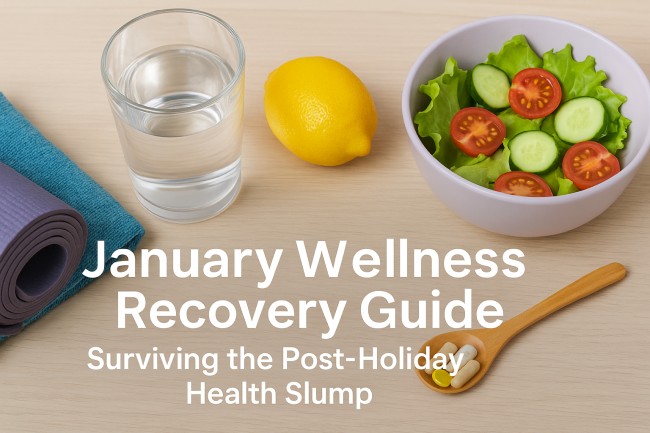
The festive season is in full swing, and while the celebrations bring joy, they also bring late nights, overindulgence, and disrupted routines. If you’re already feeling the effects, bloating, fatigue, broken sleep patterns, you’re experiencing what millions of Britons face every December. And it only intensifies as we move through the holiday period into January.
The post-holiday health slump is real, and it’s happening right now. Between Christmas parties, family gatherings, festive drinks, and the inevitable abandonment of exercise routines, our bodies take a significant hit during this season. But here’s the encouraging news, you don’t have to wait until January 1st to start feeling better, and when the new year arrives, you’ll know exactly how to recover quickly and effectively.
Understanding the Post-Holiday Toll
Right now, as we navigate the final weeks of December, our bodies are under unique seasonal stress. Late nights at parties, rich foods at every turn, increased alcohol consumption, minimal exercise, and heightened stress levels create a perfect storm for physical and mental exhaustion. Research shows the average Briton will gain between 2-5 pounds during the holiday period, but the impact extends far beyond the scales.
Your sleep patterns are already disrupted, throwing off circadian rhythms that affect everything from hormone regulation to immune function. Sugar-heavy diets are likely causing energy crashes and increased cravings, while reduced physical activity is leading to decreased fitness and muscle tension. The good news? Understanding what’s happening is the first step toward managing it – both now and in the recovery period ahead.
The Smart Recovery Approach
Rather than punishing yourself with severe restrictions or gruelling workout regimes, focus on a measured recovery that supports your body’s natural healing processes. The key is addressing multiple aspects of health simultaneously – nutrition, hydration, sleep, movement, and supplementation.
Modern healthcare options make this recovery process easier than ever. Many people now turn to an online pharmacy for convenient access to essential vitamins, supplements, and health products that support post-holiday recovery. From immune-boosting vitamins to digestive enzymes and sleep aids, having these resources delivered directly to your door removes barriers to getting back on track. Licensed pharmacists can provide guidance on appropriate supplements for your specific needs, whether that’s restoring gut health or supporting your immune system through challenging winter months.
Rehydration: The Effective Recovery
One of the simplest yet most effective recovery strategies is proper hydration. Holiday periods often involve increased caffeine and alcohol consumption, both of which have diuretic effects that leave us dehydrated. Dehydration contributes to fatigue, headaches, poor concentration, and digestive issues.
Aim for at least 2 litres of water daily, more if you’re exercising. Herbal teas count toward this goal and offer additional benefits, peppermint for digestion, chamomile for relaxation, ginger for nausea. If plain water feels boring, add slices of lemon, cucumber, or fresh mint for flavour without calories.
Nutritional Reset Without Restriction
The instinct after overindulgence is often severe restriction, but this approach typically backfires. Extreme dieting slows metabolism, increases cravings, and sets up a cycle of restriction and bingeing. Instead, focus on nourishing your body with whole foods that support recovery.
Prioritise protein at every meal to stabilise blood sugar and support muscle maintenance. Include plenty of fibre-rich vegetables to aid digestion. Healthy fats from sources like avocados, nuts, and olive oil help absorb vitamins and keep you satisfied.
The 80/20 rule works well. aim for nutritious, whole foods 80% of the time, allowing flexibility for the remaining 20%. This balanced approach prevents the feeling of deprivation that derails so many January health efforts.
Gut Health Recovery
Holiday eating often disrupts the delicate balance of gut bacteria that influences everything from digestion to mood and immune function. Probiotic supplements can help restore beneficial bacteria, while prebiotic foods like onions, garlic, leeks, and asparagus feed the good bacteria already present. Fermented foods such as yogurt, kefir, and sauerkraut provide additional benefits.
Many people find that a short course of high-quality probiotics makes a noticeable difference in energy levels and overall wellbeing.
Movement That Heals
Exercise is crucial for recovery, but the type and intensity matter. Jumping immediately into intense workouts when your body is depleted often leads to injury or burnout. Instead, start gently and build gradually.
Walking is underrated but incredibly effective. A brisk 30-minute walk daily improves circulation, boosts mood, aids digestion, and helps regulate blood sugar. It’s low-impact enough to do even when energy is low, yet effective enough to make a real difference.
Yoga and stretching address physical tension from weeks of stress and unusual postures. These practices also incorporate breathwork and mindfulness, supporting mental as well as physical recovery. As energy returns, gradually increase intensity.
Sleep: The Ultimate Recovery Tool
Quality sleep might be the single most important factor in post-holiday recovery. Sleep is when your body repairs tissue, regulates hormones, and resets immune function. Yet holiday periods typically disrupt normal sleep patterns significantly.
Prioritise establishing a consistent sleep schedule, even on weekends. Aim to go to bed and wake at the same time daily. Create a wind-down ritual: dim lights, reduce screen time, perhaps enjoy a warm bath or herbal tea.
If you’re struggling with sleep, consider natural support. Magnesium supplements can promote relaxation, while melatonin helps reset disrupted circadian rhythms.
Immune System Support
January brings not just post-holiday fatigue but also peak cold and flu season. Supporting your immune system is essential when your body is already depleted.
Vitamin D supplementation is particularly important for UK residents during winter months when sunlight exposure is minimal. Vitamin C and zinc both support immune function and may reduce the duration of colds if you do fall ill. Don’t underestimate the immune benefits of adequate sleep, proper hydration, and regular movement.
Mental Health Matters
Physical recovery often overshadows mental and emotional recovery, but January can be psychologically challenging. The excitement of the holidays gives way to dark mornings, financial stress from holiday spending, and the sometimes overwhelming pressure of New Year’s expectations.
Be gentle with yourself. Recovery isn’t linear, and some days will feel harder than others. Maintain social connections even when you’re not feeling your best – isolation often worsens low mood. If you’re struggling significantly, don’t hesitate to seek professional support.
The Sustainable Path Forward
The transition from holiday indulgence to January wellness doesn’t require perfection or extreme measures. Focus on consistent, moderate actions that support your body’s natural recovery processes. Proper hydration, balanced nutrition, adequate sleep, gentle movement, and appropriate supplementation create a foundation for renewed energy and wellbeing.
Remember that recovery takes time. Give yourself at least two to three weeks of consistent healthy habits before expecting to feel completely back to normal. By approaching January with patience and self-compassion rather than punishment and restriction, you set yourself up not just for recovery but for sustainable health improvements that can carry through the entire year.