How modular concrete systems support modern construction
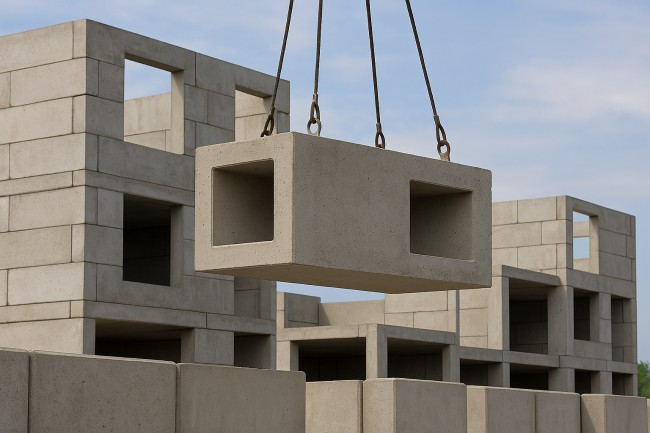
Modern construction is constantly evolving, seeking solutions that offer efficiency, flexibility, and sustainability. One such advancement, modular concrete systems, has gained significant traction in recent years. By enabling faster, more adaptable building processes, these systems are reshaping the way contractors and architects approach projects of all sizes. For those interested in sourcing high-quality modular elements, betonblock.com provides practical insights into what’s possible with this forward-thinking technology.
Understanding modular concrete systems
Modular concrete systems are pre-engineered units designed for rapid assembly and reconfiguration. Unlike traditional concrete pouring, which can be labor-intensive and time-consuming, these modular elements are produced in controlled environments and then transported to construction sites for installation. This minimizes on-site work, reducing project timelines and the impact of weather-related delays. The approach supports a wide range of applications: from creating robust retaining walls to forming adaptable foundations.
One key advantage of modular systems lies in their repeatability. Because components are manufactured using precise molds and quality controls, they offer consistency in both form and performance. This consistency not only improves structural reliability but also facilitates easier expansion or reconfiguration of built environments.
Benefits of modular concrete in construction projects
Adopting modular concrete systems brings a number of noteworthy benefits to construction projects. Firstly, these prefabricated blocks or panels significantly speed up project completion. With less need for curing time on site and faster assembly, contractors can meet tight deadlines without sacrificing quality. This time-saving aspect is particularly valuable for large-scale developments as well as infrastructure projects where every day on site counts.
Another crucial benefit is cost efficiency. Factory-based production techniques help reduce waste, optimize material usage, and allow for bulk manufacturing processes. This not only lets construction professionals control their budgets more effectively but also supports a more environmentally conscious approach due to minimized resource consumption. The reusability of many modular elements means that, when a structure needs to be changed or removed, concrete blocks can often be repositioned rather than discarded, further reducing the environmental footprint.
Modular concrete also supports enhanced design flexibility. Architects can leverage standardised yet varied shapes to create custom layouts without extensive bespoke fabrication. The adaptability of modular components is ideal for everything from rapid-response infrastructure, like temporary barriers or flood defenses, to permanent structures in residential or commercial sectors.
Current and future trends in modular concrete systems
The shift towards modularity reflects broader trends in the construction industry, including digital design integration and sustainable building practices. Recent developments in CAD (computer-aided design) and BIM (building information modeling) technologies make it easier for professionals to design with modularity in mind, ensuring each block or panel fits seamlessly within the larger project framework. The result is a more predictable, streamlined construction process with fewer surprises during implementation.
In addition to technological integration, the industry is witnessing an increased demand for green construction methods. Modular concrete systems can contribute to certifications like BREEAM or LEED thanks to reduced site emissions, efficient transportation logistics, and lower embodied energy compared to some traditional approaches. Recycling and refitting possibilities further extend the lifecycle and utility of modular components, aligning with circular economy principles which are rapidly becoming standard in modern development projects.
Finally, urban environments and regions prone to change, from population growth to climate adaptations, are particularly well suited to modular concrete solutions. Whether cities require rapid expansion of public infrastructure or the installation of resilient flood defenses, prefabricated systems allow for responsive, scalable, and durable solutions. As the construction sector continues to adapt to new challenges, modular concrete stands out as a method ready to meet the complex needs of the future, driving innovation through practicality.